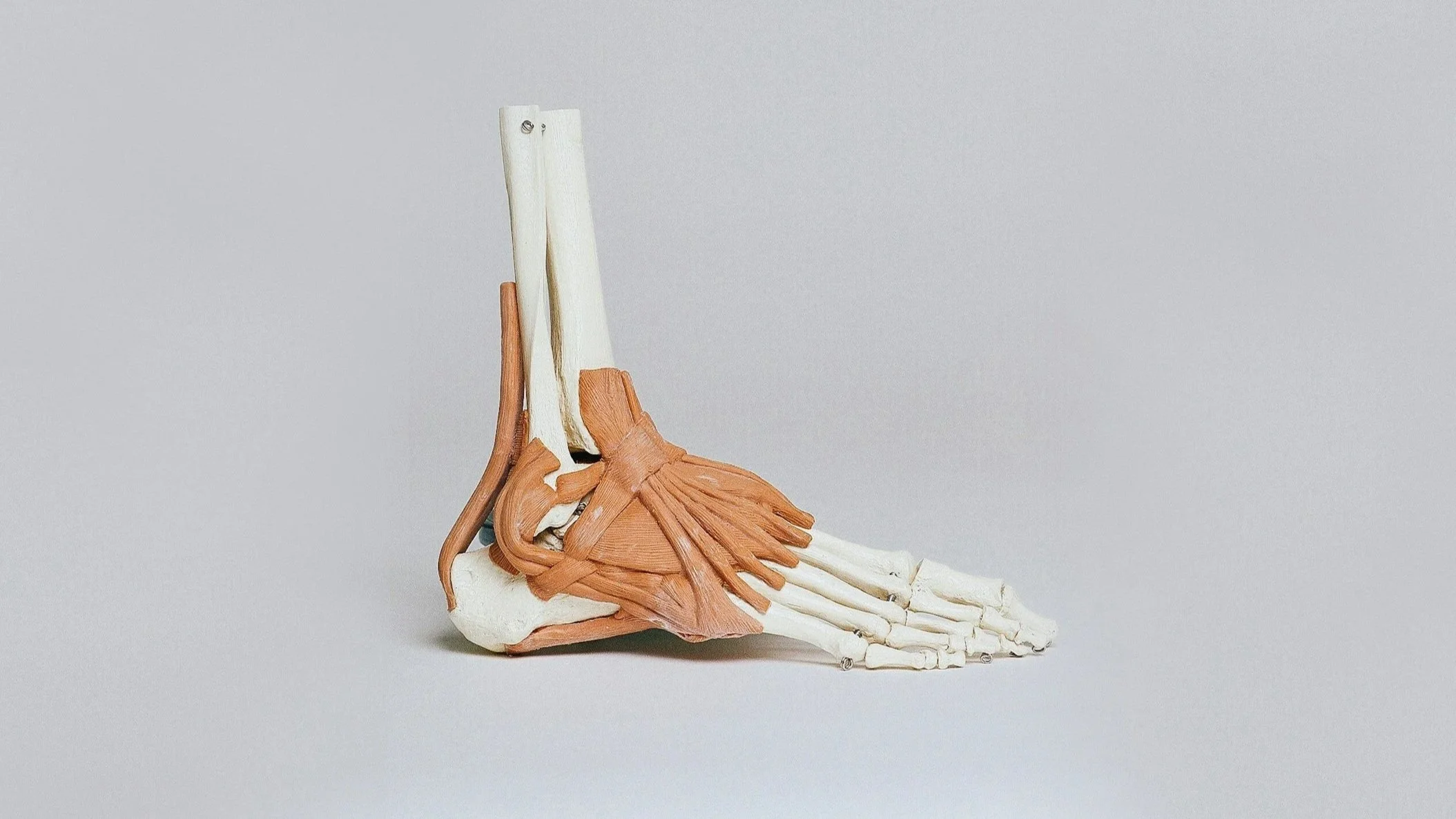
World Cup Spotlight: Achilles Injuries - Soccers Silent Threat
Why Is It So Common in Soccer?
The Achilles tendon is the strongest tendon in the body — but it’s also one of the most common injuries we see in soccer players.
Why?
Soccer is a sport of explosive acceleration, rapid deceleration and sharp cutting movements which cumulatively load the calf and achilles tendon during a practice or game.
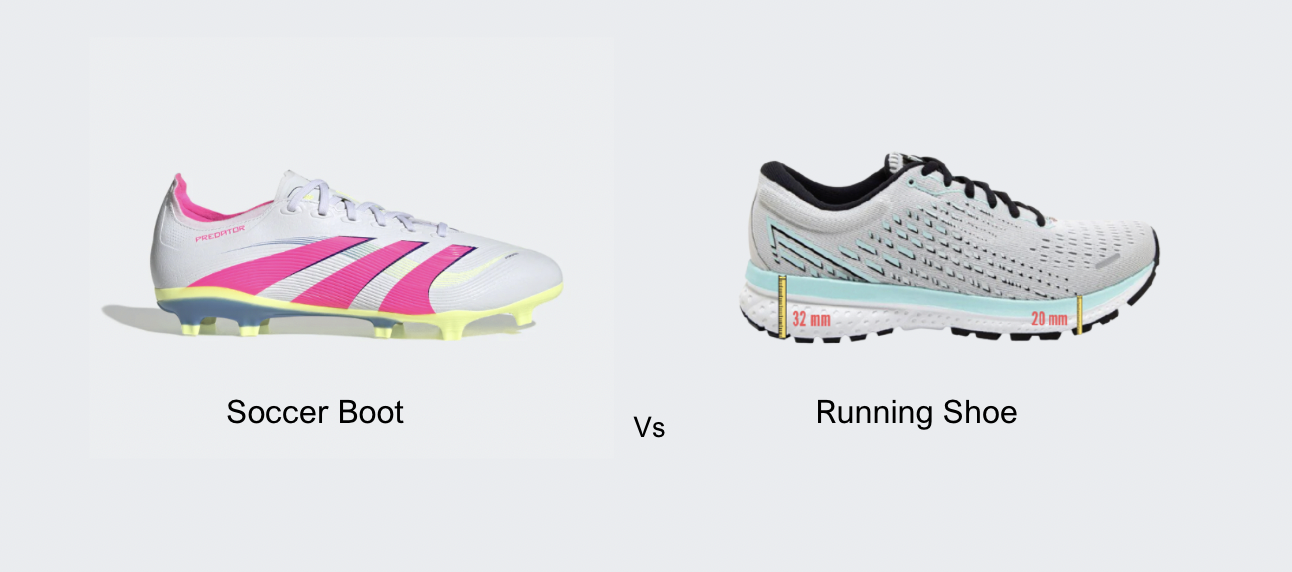
But there’s another factor that most soccer players don’t know about that also puts them at risk: soccer boots. There is something called the heel-to-toe drop of a shoe. This is the height difference between the heel and toe, in running shoes the “drop” is around 8-12mm but in soccer boots it's typically 0-6mm. While this “zero drop” in soccer boots allows athletes to feel the ball and bring them closer to the ground it also puts them at an increased risk of overloading the achilles tendon.
Soccer boots combined with additional factors like playing on artificial turf (higher ground reaction forces), improper warmups, the sudden spike in training intensity that comes with a tournament put soccer players achilles tendons at risk.
Recognizing the Warning Signs
Achilles problems exist on a spectrum - from slight irritation to a full blown rupture/ tear. Catching them early makes all the difference.
Seek treatment if you are noticing:
· Morning stiffness or aching at the back of the heel — especially the first few steps out of bed
· Pain in the achilles between the heel and calf muscle that 'warms up' in the first 10–15 minutes of activity but returns after
· Localized tenderness 2–6 cm above the heel bone (classic tendinopathy zone)
· Swelling or thickening along the tendon
· A sudden 'pop' or feeling of being kicked from behind — a red flag for rupture
Prevention: What You Can Do
Prevention is far better than a 6–12 month rupture recovery. Key strategies:
· Eccentric heel drops — Getting on a loading program that incorporates, isometric holds, SLOW and heavy loading and eccentrics are the gold standard of care. This is something our physio’s can help create for you!
· Soccer boot transition — if you're moving from cushioned training shoes or runners to low-drop boots, do it gradually over 2–3 weeks and potentially include a heel lift that you slowly take down.
· Load management — avoid sudden spikes in training volume or intensity, especially at the start of a tournament or new season. We see achilles injuries a lot in coaches who go to demonstrate a move, shot etc without warming up.
· Calf flexibility + strength — tight calves increase Achilles strain. Incorporating trigger point release, calf stretching and ankle mobility are key. Our physio’s and RMT’s can really help you with this piece of the puzzle.
· Warm up properly — cold tendons are vulnerable tendons. Don't skip the warm-up on early morning or cold-weather matches.
· Aging Mindfully — naturally tendons become less elastic as we age putting them at greater risk of injury. After menopause as estrogen decreases in women, tendons again are at a greater risk of injury so if you’re a masters athlete load appropriately!
Treatment: What Works
If you're already dealing with Achilles pain, the good news is that most cases respond very well to conservative physiotherapy. At Metrotown Physio, we use a combination of:
· Heavy slow resistance loading programs tailored to you
· Shockwave therapy — highly effective for chronic insertional and mid-portion Achilles tendinopathy. Plan on ~4 treatments a week apart.
· Dry needling and soft tissue release to address surrounding muscle tension
· GameReady cryotherapy and compression to manage acute inflammation
· Hands on ankle and foot mobilizations and mobility and stability drills
· Biomechanical assessment — because how your foot strikes the ground matters as much as the tendon itself
Bottom line: if your Achilles has been talking to you, don't wait until it screams. Early intervention means faster return to sport and a far lower risk of full rupture.